


Conditions
Fatty Liver Disease Treatment in Charlotte
Comprehensive care for effective management and improved quality of life
Metabolic dysfunction-associated fatty liver disease (MAFLD) often develops silently — but with early detection and the right plan, serious liver damage can be prevented.
Know the condition
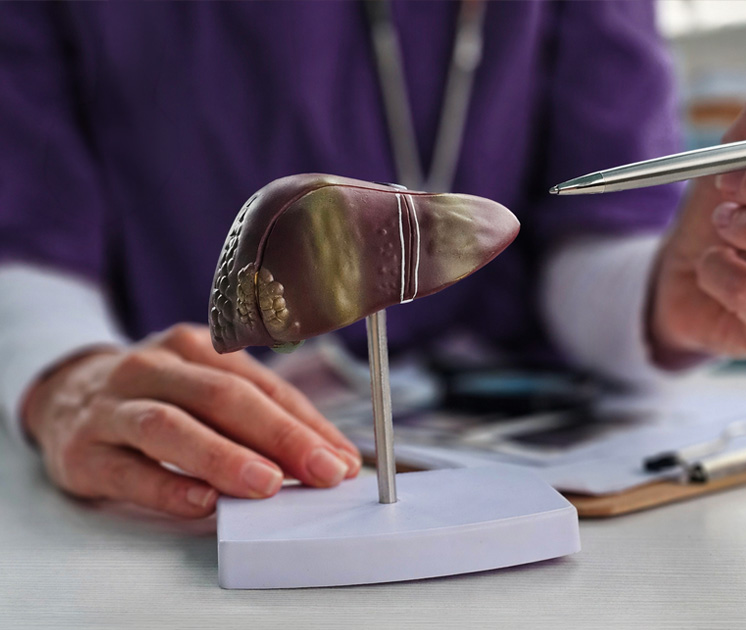
Understanding Fatty Liver Disease
Metabolic dysfunction-associated fatty liver disease (MAFLD), previously called nonalcoholic fatty liver disease (NAFLD) or NASH, is a condition where excess fat accumulates in the liver unrelated to alcohol use, most commonly linked to obesity, type 2 diabetes, high cholesterol, and metabolic syndrome. Charlotte Gastro's liver disease specialists serve patients across Charlotte, Huntersville, Mint Hill, and Mooresville.

Castle Connolly
Top Doctors
KEY SYMPTOMS
Recognizing Symptoms
Often Silent Until Liver Damage Progresses
MAFLD frequently causes no noticeable symptoms in its early stages — which is why routine monitoring is so important for those at risk. When symptoms do appear, they typically signal that the liver is under significant stress. Seek evaluation promptly if you notice any of the following.
Often Asymptomatic
In early stages, MAFLD frequently causes no symptoms at all. Many people are diagnosed only after routine blood work or imaging reveals an issue.
Persistent Fatigue
Ongoing, unexplained tiredness that doesn't improve with rest — one of the first signs that the liver may be under stress.
Jaundice
Yellowing of the skin or whites of the eyes, indicating the liver is struggling to properly filter and process waste from the bloodstream.
Upper Abdominal Pain
Discomfort or achiness on the right side of the abdomen, where the liver is located, particularly as inflammation progresses.
Swelling in Legs or Abdomen
Fluid retention causing swelling in the lower legs or a distended belly, typically a sign of more advanced liver disease.
Dark Urine & Pale Stools
Dark-colored urine and clay-colored stools signal impaired liver function and should prompt immediate medical evaluation.
Causes & Risk Factors
Causes and Risk Factors
MAFLD is caused by excess fat building up in the liver. This buildup is closely tied to metabolic health — the way your body processes and stores energy and fat.
Treatment Options
Treatment Options
The primary treatment for MAFLD is gradual, sustainable lifestyle change. Your Charlotte Gastro physician will create a personalized plan focused on reducing liver fat through manageable, step-by-step improvements to your health.

Gradual Weight Loss
Even modest, sustainable weight loss significantly reduces liver fat and inflammation. Your doctor will help set realistic goals and avoid dramatic restrictions that are hard to maintain.

Dietary Changes
Reducing high-calorie drinks, processed foods, and excess sugar while adding fiber-rich, nutrient-dense foods supports liver health. Fad diets and severe calorie restriction are discouraged in favor of sustainable habits.
Regular Physical Activity
Daily movement — even simple activities like walking — improves metabolic health, reduces body fat, and helps lower fat accumulation in the liver over time.
Medications & Monitoring
When lifestyle changes alone aren't sufficient, medications to support weight loss or manage underlying conditions like diabetes may be recommended alongside ongoing liver health monitoring.
Living Well with MAFLD
For most people, MAFLD doesn't cause pain or discomfort in the early stages — but that doesn't mean it can be ignored. The good news is that even small, consistent changes to your daily habits can make a meaningful difference in your liver health and overall well-being over time.
Diagnostic Process
Getting Your Diagnosis
Because MAFLD often presents without symptoms, diagnosis typically begins with a physical exam and blood work — and may include imaging or a biopsy depending on the extent of concern about liver damage.
FAQs
The primary treatment is reducing body fat through a healthy diet and regular physical activity. When caught early, these lifestyle changes can reduce liver fat and, in some cases, reverse the disease's progression entirely.
Yes. Making sustainable lifestyle changes to lose weight — especially in the early stages — can often reverse MAFLD's progress. Even if some liver damage is permanent, reducing body fat helps protect the liver from accumulating further damage.
MAFLD (Metabolic Dysfunction-Associated Fatty Liver Disease) is the updated name for what was previously called NAFLD (Nonalcoholic Fatty Liver Disease). The new name better reflects its close connection to metabolic health conditions.
Yes. While obesity is the most common risk factor, MAFLD can also develop in people with normal body weight who have metabolic conditions like insulin resistance, high cholesterol, or type 2 diabetes. Your doctor can assess your risk regardless of body weight.
Take the Next Step Toward Better Digestive Health
Our Charlotte, Huntersville, Mint Hill, and Mooresville offices provide fatty liver disease evaluation and management. Call (704) 377-4009 to connect with a specialist and ask our team about insurance coverage and what to expect for out-of-pocket costs.