


Procedures
Colonoscopy in Charlotte
Preventive, Diagnostic Care Performed by Charlotte's Top Gastroenterologists
- Expert prevention and diagnosis of colon cancer, inflammatory bowel disease (Crohn's disease and Ulcerative Colitis), and other gastrointestinal conditions.
- A common, routine procedure that is key to prevention, early detection, and accurate diagnosis
- 28+ years of experience that make colonoscopies safe, efficient, straightforward, providing clear and reliable results.
TRUST YOUR GUT TO THE EXPERTS
What is a Colonoscopy?
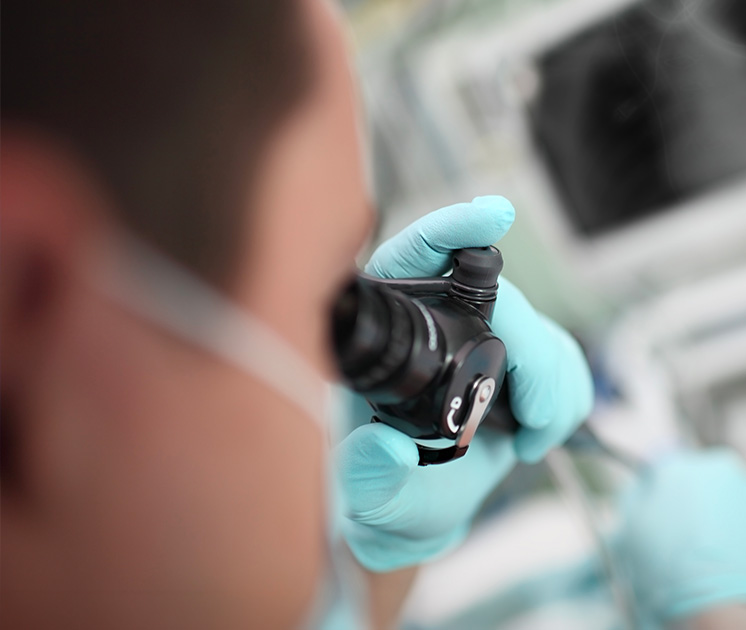
A colonoscopy is a common, routine procedure used to diagnose or screen for gastrointestinal disorders. During a colonoscopy, your doctor inserts a long, flexible tube through the rectum into your colon. The tube has a light and a camera on the end, which allows your doctors to check for inflammation, ulcers, polyps, or other signs of disease. Polyps are precancerous growths that our doctors will remove during the procedure, preventing them from developing into colon cancer.
A colonoscopy is one of the most common diagnostic and screening procedures for gastrointestinal diseases. The camera allows your doctor to clearly see what's in your colon, allowing for a clear, unambiguous diagnosis for disorders that may be hard to diagnose by symptoms alone. For example, you may have chronic diarrhea and cramping, but a colonoscopy could determine if it was Crohn's disease, celiac disease, colon cancer, or something different.
With our 28+ years of experience, Charlotte Gastro is Charlotte's trusted choice for colonoscopy procedures and colon cancer screening. Our doctors provide clear prep instructions, complete the procedure with precision, and deliver a clear care plan based on your results.
CONDITIONS
Conditions We Treat
A colonoscopy is ideal for patients who suspect they may have:
Inflammatory Bowel Disease
Including Crohn’s disease and Ulcerative Colitis, these chronic conditions cause inflammation in the digestive tract. A colonoscopy can confirm the diagnosis and assess the extent of inflammation to guide treatment.
Colon Cancer
A colonoscopy is the gold standard screening tool for colon cancer, allowing doctors to detect and remove precancerous polyps before they have the chance to develop into cancer.
Ulcers
Open sores in the lining of the colon or rectum that can cause bleeding and discomfort. A colonoscopy allows doctors to directly visualize and assess ulcers to determine the right course of treatment.
Tumors
A colonoscopy can identify both benign and malignant growths in the colon, enabling early detection and prompt intervention before conditions worsen.
Blockage from Foreign Objects
When something is obstructing the colon, a colonoscopy allows doctors to identify and, in some cases, remove the obstruction directly during the procedure.

Risk Factors
- Age 45 or older
- Family history of colon cancer
- Sudden changes in bowel habits
- Ongoing unexplained digestive symptoms
- Personal history of polyps or colorectal cancer

Symptoms
- Changes in bowel habits
- Abdominal pain
- Bleeding from the anus
- Unexplained weight loss
- Unexplained, chronic diarrhea
THE PROCEDURE
What to Expect
Before the Procedure
Before a colonoscopy, your doctor will provide colon prep instructions. It is incredibly important that these are followed exactly so your doctor can get the best view of your colon — incomplete prep may require rescheduling or redoing the procedure.
1.
Four days before your procedure, stop eating foods that may obstruct the camera, including corn, tomatoes, potato chips, nuts, popcorn, and any fruit or vegetable with small seeds. Also stop taking iron tablets and oil-based supplements unless otherwise directed by your doctor.
2.
If approved by your prescribing doctor, we recommend stopping the following medications leading up to the procedure. If your prescribing doctor advises it’s not safe to stop, contact our office and we’ll make an alternative plan:
- Coumadin, Plavix, Effient, Brilinta — stop 5 days before
- Xarelto, Eliquis — stop 2 days before
- Phentermine — stop 7 days before
- GLP-1 Agonists (Wegovy, Ozempic, Zepbound) — stop 1 week before
3.
One day before your procedure, begin an all-clear liquid diet. Safe options include:
- Broth or bouillon
- Jell-O (except red or purple varieties)
- Coffee (no creamers or dairy of any kind)
- Tea
- Clear fruit juice without pulp
- Clear soda (like Sprite or 7-Up)
- Gatorade (no red or purple varieties)
- Popsicles (no red or purple varieties)
- Lemonade (without pulp)
4.
Your doctor will prescribe a specific prep product to clear your colon. Follow the instructions exactly and drink the entirety of the prep product within the timeline your doctor provides. This step is critical — incomplete prep may require rescheduling.
5.
It’s not uncommon to feel nauseous or vomit while drinking the prep product. As long as your stool is a light-yellow color or clear, you’ve likely consumed enough prep. If you’re unable to hold down any prep at all, contact our office for further instructions.
During and After the Procedure
During the procedure, patients are sedated and monitored while the doctor performs the examination. After the procedure, patients will have a short recovery time before being discharged from the office. Since sedation is required, patients must have someone present to drive them home. Aside from resting, there are generally no other restrictions or recommendations after the procedure is complete.
Medications to Pause
If approved by your prescribing doctor, we recommend stopping the following medications leading up to the procedure.
- Coumadin, Plavix, Effient, Brilinta (stop 5 days prior)
- Xarelto, Eliquis (stop 2 days prior)
- Phentermine (stop 7 days prior)
- Iron tablets and oil-based supplements (stop 4 days prior)
- GLP-1 Agonists (Wegovy, Ozempic, Zepbound) — stop 1 week before
What to Bring
- Insurance card
- Photo ID
- List of current medications
- Completed patient intake forms
- Arranged adult driver for after the procedure
TRUST YOUR GUT TO THE EXPERTS
Expert Care by Charlotte's Best Gastroenterologists
A colonoscopy may be routine, but your experience at our office will be anything but normal. Our GI doctors provide clear, understandable guidelines for preparation, recommend a prep product right for your individual health circumstances, and once results are complete, deliver a path of care catered to your diagnosis and unique health situation. You’ll be in the best hands when you choose Charlotte Gastro as your partner in colonoscopy procedures.

Location and Scheduling
Outpatient colonoscopies are available at our Charlotte (Rea Farms, Randolph Road, and Mint Hill), Endoscopy Center of Lake Norman, and Mooresville locations — serving patients across the greater Charlotte and Lake Norman areas. To schedule an appointment, call (704) 377-4009.
Questions about insurance? Our team can walk you through what’s covered, what isn’t, and what you can expect to pay out of pocket.
FAQs
You'll be sedated during your colonoscopy, so you won't feel any pain at all! You may feel bloating or gas temporarily after the procedure is complete, but you won't feel pain during the procedure.
Colonoscopies are routine procedures that generally have very low health risks. Rare risks include sedation reactions or, less commonly, a perforation of the colon. At Charlotte Gastro, you’re cared for by highly experienced specialists who prioritize safety at every step, carefully assessing sedation needs and performing the procedure with precision to minimize risk and ensure your comfort.
Generally, full recovery takes about 24 hours. This time will vary depending on your specific health condition and how you tend to react and recover from sedation.
Generally, yes, insurance covers the cost of a colonoscopy. Colonoscopies are often preventative care (meant to screen for and prevent colon cancer ), and preventative care is usually always covered by insurance. However, our team will give you a clear understanding of what your insurance covers and what it doesn't before you undergo the procedure.
It can take a couple of days to fully clear your colon, which is why your doctor will recommend no longer eating certain foods leading up to the procedure. Several days before, you'll stop eating foods with seeds, popcorn, and potato chips, and then one to two days before your procedure, you'll complete the bowel prep recommended by your doctor.