


Procedures
Upper Endoscopy in Charlotte
Clear Diagnosis and Comfort-Focused Care by Charlotte's Top Gastroenterologists
- Advanced imaging for accurate diagnosis of conditions affecting the esophagus, stomach, and upper digestive tract
- Clear preparation instructions and detailed expectations throughout the entire process
- Performed by specialists with 28+ years of experience
TRUST YOUR GUT TO THE EXPERTS
What is Upper Endoscopy?
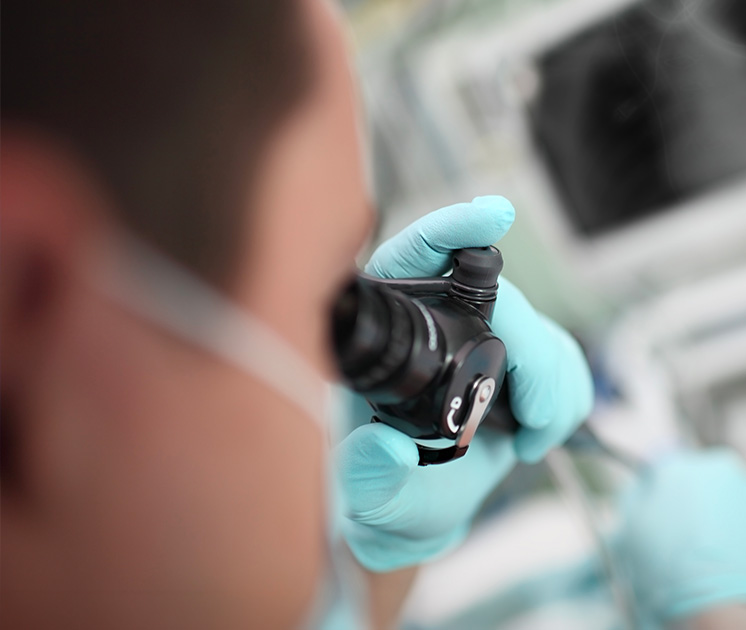
Upper endoscopy (also called EGD or esophagogastroduodenoscopy) is a common procedure that allows your doctor to examine the upper part of your gastrointestinal tract, including your esophagus, stomach, and the first portion of your small intestine. During the procedure, your doctor guides a thin, flexible tube with a light and camera down your throat to capture images of your digestive tract.
This procedure is essential for diagnosing a wide range of gastrointestinal conditions, such as Barrett’s esophagus, H. pylori infection, ulcers, certain cancers, and persistent acid reflux, especially because symptoms for these conditions often overlap. You’ll be sedated during the procedure for your comfort and safety.
At Charlotte Gastro, our experienced team performs upper endoscopy in Charlotte and across the greater Charlotte area, prioritizing your comfort and care throughout the process, and making sure you get the answers you need every step of the way.

CONDITIONS
Conditions We Treat
GERD
Gastroesophageal reflux disease causes chronic acid reflux that can damage the esophagus over time. Upper endoscopy allows direct visualization of this damage and guides treatment.
Barrett’s Esophagus
A complication of chronic acid reflux where the esophageal lining changes. Upper endoscopy is essential for diagnosing and monitoring this precancerous condition.
H. Pylori Infection
A bacterial infection that can cause ulcers and increase cancer risk. Upper endoscopy allows for tissue sampling to confirm the presence of H. pylori and guide treatment.
Celiac Disease
Upper endoscopy with biopsy examines the lining of the small intestine for damage caused by gluten, providing a definitive diagnosis of celiac disease.
Crohn’s Disease
When Crohn’s disease affects the upper GI tract, upper endoscopy can visualize inflammation in the esophagus, stomach, and upper small intestine.
Multiple Cancers
Upper endoscopy can detect cancers of the esophagus, stomach, and upper digestive tract at early stages when treatment options are most effective.
Unexplained Bleeding
When GI bleeding has no obvious source, upper endoscopy can identify and in many cases treat the source directly during the same procedure.
Infections
Upper endoscopy can identify signs of infection in the upper digestive tract and allow for tissue sampling to guide accurate diagnosis and treatment.
Unexplained Vomiting
Frequent, unexplained vomiting may indicate structural problems in the upper GI tract that upper endoscopy can identify and help resolve.

Risk Factors
- Chronic GERD or frequent acid reflux
- Family history of esophageal or gastric cancer
- H. pylori diagnosis or exposure
- Long-term use of NSAIDs or aspirin
- Obesity (increases GERD and Barrett’s esophagus risk)
- Smoking or excessive alcohol use

Symptoms
- Persistent heartburn or acid reflux
- Difficulty swallowing
- Frequent or unexplained vomiting
- Abdominal or chest pain
- Unexplained GI bleeding
- Unintentional weight loss
- Nausea
THE PROCEDURE
What to Expect
Before the Procedure
1.
If you take blood thinners like Coumadin or Plavix, you may need to stop taking them five days before the procedure. Check with your prescribing physician first, and contact our office if stopping isn’t safe.
2.
Stop eating and drinking after midnight the night before your procedure.
3.
The day of your procedure, avoid gum, mints, and hard candies.
4.
Arrange for someone 18 or older to drive you to and from your appointment, as you’ll be sedated.
5.
If you take a GLP-1 medication — semaglutide (Ozempic, Wegovy, Rybelsus), dulaglutide (Trulicity), exenatide injection (Bydureon, Byetta), or tirzepatide (Mounjaro, Zepbound) — you will be asked to stop it one week prior to the exam and to follow a clear-liquid-only diet for the 24 hours before your procedure to help avoid complications.
During and After the Procedure
You’ll arrive at one of our offices for this outpatient procedure. Once sedated, your doctor will guide the endoscope down your esophagus to examine the area. The procedure typically takes about 30 minutes. You’ll then rest in recovery while the sedation wears off. After returning home, start with small sips of water. If you can swallow normally, you can transition to soups or soft foods. You can typically return to your normal diet within 24 hours, though your doctor will provide specific instructions.
Medications to Pause
- Coumadin, Plavix (stop 5 days prior — confirm with prescribing physician)
- Weight loss medications like Ozempic (stop 1 week prior)
- Any other medications as directed by your doctor
What to Bring
- Insurance card
- Photo ID
- List of current medications
- Completed patient intake forms
- Arranged driver (must be 18 or older)
TRUST YOUR GUT TO THE EXPERTS
Expert Care by Charlotte's Best Gastroenterologists
Upper endoscopy is a common and generally safe procedure, but getting the results you need with the care you deserve matters. Charlotte Gastro has long focused on the patient experience, making it as easy and comfortable as possible to receive high-quality EGD care in Charlotte, Huntersville, Mooresville, and beyond. We look forward to partnering with you for your healthcare needs.

Location and Scheduling
You can schedule an upper endoscopy at our Randolph Road, Rea Farms, Mint Hill, Endoscopy Center of Lake Norman (ECLN), or Mooresville offices. To make an appointment, call (704) 377-4009.
Questions about insurance? Our team can walk you through what’s covered, what isn’t, and what you can expect to pay out of pocket.
FAQs
You’ll be sedated during the procedure, so you won’t experience any pain or discomfort during treatment. During recovery, you may feel mild throat soreness or stomach discomfort, but this typically goes away quickly.
Most patients recover within a few hours. Some mild symptoms, like a sore throat or bloating, may last up to 24 hours.
You may need to stop certain medications before the procedure, and you'll fast after midnight the night before. If you take a GLP-1 medication such as Ozempic, Wegovy, Trulicity, or Mounjaro, you'll also need to follow a clear-liquid-only diet for the full day before your procedure. Otherwise, there's no additional preparation required.
Generally, insurance covers upper endoscopy when it’s medically necessary for diagnosis or treatment. Our team will verify your coverage before the procedure so you know what to expect for out-of-pocket costs.