


Conditions
Constipation Treatment in Charlotte
Targeted diagnosis, effective treatment, and long-term relief
Constipation is one of the most common GI complaints — but when it becomes chronic, it deserves proper evaluation and care. Our GI specialists provide constipation treatment across the Charlotte area, with convenient locations in Huntersville and Mooresville.
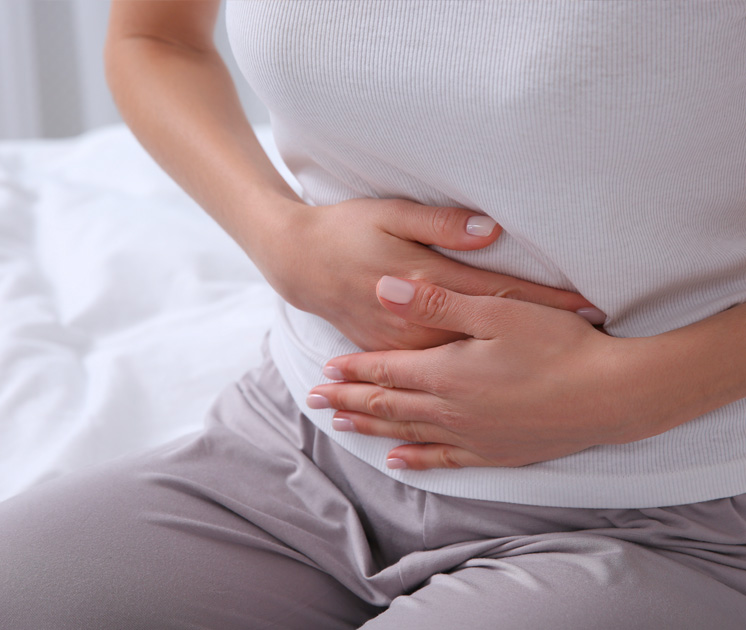
Know the condition
Understanding Your Condition
Constipation occurs when you have three or fewer bowel movements per week, or when stools are hard, dry, or difficult to pass. While it's extremely common, chronic constipation is not normal — and with the right diagnosis and treatment plan, most people experience significant, lasting relief.

Castle Connolly
Top Doctors
KEY SYMPTOMS
Recognizing Symptoms
Knowing when constipation needs medical attention.
Common symptoms include infrequent, hard, or difficult-to-pass stools, bloating, and abdominal discomfort. Seek medical care if constipation is persistent, worsening, or interfering with daily life — and seek immediate care if you experience severe pain, vomiting, fever, or blood in your stool.
Infrequent Bowel Movements
Having three or fewer bowel movements per week is the defining sign of constipation, and may warrant evaluation if it becomes a persistent pattern.
Hard or Difficult Stools
Stools that are hard, dry, small, or difficult to pass are a hallmark symptom and can cause significant physical discomfort and straining, which over time can contribute to hemorrhoids.
Straining & Incomplete Emptying
Excessive straining during bowel movements can also increase the risk of developing hemorrhoids. The persistent feeling that stool remains in the rectum after a bowel movement, occurring 25% or more of the time, may indicate a functional GI disorder.
Bloating & Abdominal Discomfort
Abdominal pain, pressure, and bloating frequently accompany constipation and can significantly affect daily comfort and quality of life.
Sensation of Blockage
Feeling as though something is blocking stool from passing, or needing to use fingers to assist with bowel movements, are signs that may require specialized evaluation.
Warning Signs — Seek Immediate Care
Severe abdominal pain, vomiting, blood in your stool, inability to pass gas, fever, or unexplained weight loss while constipated require urgent medical attention.
Causes & Risk Factors
What Causes Constipation?
Constipation has many causes — some resolve on their own, while others require medical treatment. Understanding what's behind your symptoms is the first step toward effective relief.
Certain medications are known to cause constipation, including:
- Narcotic pain medications
- Some antacids and antispasmodics
- Iron supplements
- Certain antidepressants
- Overuse of over-the-counter laxatives (which can worsen constipation over time)
- Low-fiber diet — fiber adds bulk and helps stool move through the digestive tract
- Inadequate fluid intake
- Lack of physical activity
- Ignoring the urge to have a bowel movement
- Travel or changes in sleep and eating routines
- Pregnancy — due to hormonal changes and uterine pressure on the intestines
- Aging — the nerves that stimulate colon movement can become less active over time
Structural or functional conditions in the GI tract can also lead to chronic constipation, including:
- Colon strictures (narrowing from inflammation or prior surgery)
- Colon cancer or large polyps obstructing the colon
- Rectoceles (a bulge of the rectum into the vagina in women)
- Anal fissures or hemorrhoids (pain causes stool withholding)
- Functional GI disorders: slow-transit constipation, pelvic floor dysfunction, or IBS
Treatment Options
Managing Constipation
Treatment depends on your medical history, symptom severity, and how long you've been affected. Your GI specialist will work with you to identify the underlying cause and develop a personalized plan.

Lifestyle & Diet Changes
Increasing fiber intake, staying well-hydrated, and getting regular physical activity are the first-line treatments for most cases of constipation — and are highly effective for mild to moderate symptoms.

Medications
If lifestyle changes aren't enough, your doctor may recommend bulk-forming agents, osmotic agents, stool softeners, stimulants, or chloride channel activators — all best used under a doctor's supervision to avoid dependency.
Biofeedback Therapy
For constipation caused by pelvic floor dysfunction or anorectal muscle problems, biofeedback uses sensors to help you learn how to properly relax and coordinate the muscles needed for normal bowel movements.
Surgery
Surgery is rare and reserved for severe, chronic cases caused by a clearly diagnosed structural problem — such as colon dysfunction or rectal prolapse — that does not respond to other treatments
Living Well with Constipation
For most people, constipation can be effectively managed — and even prevented — with simple, sustainable changes. While building new habits takes time, most people find that the difference in how they feel makes it well worth the effort.
Diagnostic Process
Getting Your Diagnosis
Diagnosing constipation starts with a thorough review of your history and a physical exam. For chronic, severe, or complex cases, your doctor may order additional tests to identify the underlying cause and guide treatment.
Depending on your symptoms and history, your doctor may recommend one or more of the following:
- Colonoscopy — examines the entire colon using a thin, flexible camera; requires bowel prep and sedation
- Flexible sigmoidoscopy — examines only the rectum and lower colon
- Colorectal transit studies — measure how food and stool move through the colon using radiopaque markers or scintigraphy to identify slow-transit constipation
- Defecography — an X-ray that shows how well you hold and evacuate stool, and detects structural issues like rectal prolapse
If a muscle or pelvic floor disorder is suspected, your doctor may order anorectal function tests to assess anal sphincter tightness and the ease of stool expulsion. These tests do not require sedation and are generally not painful.
FAQs
The best treatment for constipation is adding more fiber to your diet, drinking plenty of water, and getting more exercise. However, if you make these changes and still struggle with constipation, or if your constipation is severe, you should see a doctor for proper medical treatment.
Constipation is typically defined as having three or fewer bowel movements per week, especially if stools are hard, dry, or difficult to pass. Most cases are mild and temporary. However, if you develop severe pain, vomiting, blood in your stool, or a fever, you should seek medical care right away, as these symptoms may indicate a more serious condition.
You should seek immediate medical care if your constipation is accompanied by severe abdominal pain, persistent vomiting, major bloating or abdominal swelling (distension), fever, or blood in your stool. These symptoms may signal a blockage or another serious medical condition that requires urgent evaluation.
If you haven't had a bowel movement in a week or more, you should contact a doctor. However, if you develop severe pain, vomiting, fever, blood in your stool, or abdominal swelling, you should seek medical care right away as these symptoms may indicate a more serious condition.
Take the Next Step Toward Better Digestive Health
All of our offices, including locations in Charlotte, Huntersville, and Mooresville, offer evaluation and treatment for acute and chronic constipation. To get started, our team will connect you with the right office and the right GI specialist for your needs.
Have questions about insurance? The Charlotte Gastro team can verify your coverage and let you know what to expect for out-of-pocket costs.