


Conditions
Pancreatitis Treatment in Charlotte
Pancreatitis ranges from a short-term episode to a chronic, damaging condition — early diagnosis and expert care are essential to protecting your long-term health.
Know the condition
Understanding Pancreatitis
Pancreatitis is inflammation of the pancreas, the organ responsible for producing digestive enzymes and regulating blood sugar, that occurs when those enzymes activate too early and begin damaging the pancreas itself. It can be a short-term (acute) emergency or a chronic condition causing progressive, long-term damage. Charlotte Gastro provides pancreatitis evaluation and treatment across our Charlotte, Huntersville, Mint Hill, and Mooresville offices.

Castle Connolly
Top Doctors
KEY SYMPTOMS
Recognizing Symptoms
From Sudden Emergency to Ongoing Chronic Symptoms
Acute and chronic pancreatitis present differently. Sudden, severe symptoms require emergency care. Ongoing or recurring symptoms after eating should be evaluated by a gastroenterologist to assess the extent of pancreatic damage.
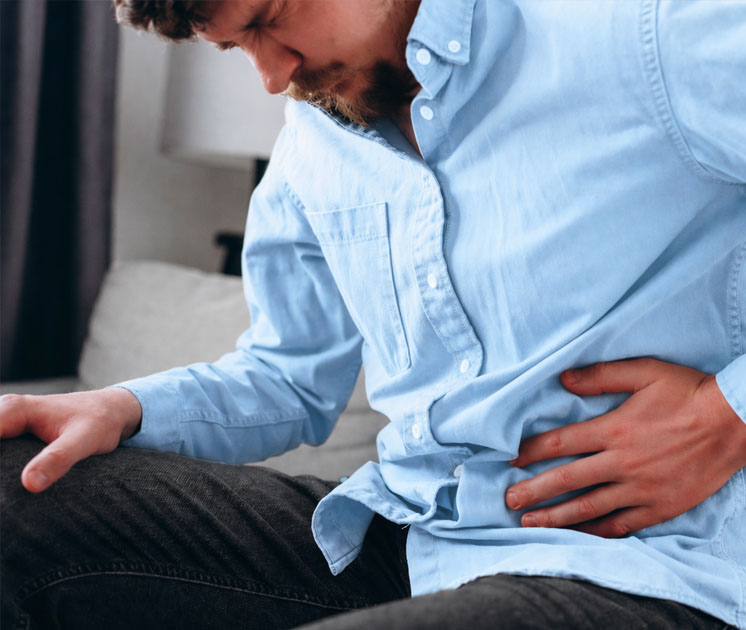
Severe Upper Abdominal Pain
Intense pain in the upper abdomen — often radiating to the back — is the hallmark symptom of both acute and chronic pancreatitis.
Nausea & Vomiting
Persistent nausea and vomiting that accompany abdominal pain, particularly during an acute episode.
Fever & Rapid Heart Rate
Signs of systemic inflammation during acute pancreatitis. Seek emergency care immediately if these occur alongside severe abdominal pain.
Oily or Greasy Stools
Pale, oily, or foul-smelling stools indicate the pancreas is no longer producing enough enzymes to properly digest fat.
Unexplained Weight Loss
Difficulty absorbing nutrients due to insufficient pancreatic enzyme production leads to unintended, significant weight loss in chronic cases.
Swollen & Tender Abdomen
Visible abdominal swelling and tenderness upon touch are common signs during an acute pancreatitis episode.
Causes & Risk Factors
Causes and Risk Factors
Pancreatitis is most commonly caused by gallstones or long-term alcohol use, but several other factors can also trigger inflammation of the pancreas.
Gallstones blocking the bile ducts and long-term heavy alcohol use are the two most common causes of both acute and chronic pancreatitis. Pancreatitis is most common between the ages of 30 and 40.
Treatment Options
Treatment Options
Treatment depends on whether pancreatitis is acute or chronic and how severe the episode is. Most cases begin with supportive hospital care, with additional interventions based on the underlying cause and extent of damage.

Hospitalization & IV Fluids
Most cases require a hospital stay for IV fluids to prevent dehydration, medications for pain and nausea management, and close monitoring while the pancreas rests and begins to heal.

Dietary Progression
Initially, food is withheld to rest the pancreas. As healing progresses, liquids are reintroduced gradually. In severe cases, a nasogastric feeding tube may be used for several weeks to provide nutrition.
ERCP Procedure
If a gallstone is blocking the bile duct, an endoscopic procedure (ERCP) can locate and remove it during the same session, relieving the blockage and allowing the pancreas to heal.
Pancreatic Enzyme Replacement
If the pancreas can no longer produce sufficient enzymes, synthetic enzyme supplements taken with every meal help ensure proper digestion and prevent further nutritional complications.
Living Well with Pancreatitis
Recovery from an acute episode can take time, and chronic pancreatitis requires ongoing lifestyle adjustments. Charlotte Gastro supports you through every step — from understanding your diagnosis to building a sustainable plan for long-term health and quality of life.
Diagnostic Process
Getting Your Diagnosis
Diagnosing pancreatitis involves a combination of medical history review, blood work, and imaging to confirm inflammation, identify the underlying cause, and assess the extent of any pancreatic damage.
Your doctor reviews your symptoms and history, then orders blood tests measuring pancreatic enzyme levels. Elevated enzyme levels are characteristic of both acute and chronic pancreatitis and help confirm the diagnosis.
Non-invasive, painless imaging tests — including ultrasound, CT scan, and MRCP (Magnetic Resonance Cholangiopancreatography) — create detailed images of the pancreas to identify inflammation, gallstones, blockages, or other abnormalities.
A thin, flexible tube with an ultrasound probe is guided under sedation through the mouth into the stomach and upper small intestine. An endoscopic ultrasound creates highly detailed images of the pancreas and bile ducts to identify even subtle abnormalities.
FAQs
Mild acute pancreatitis often resolves fully with treatment within one to two weeks. However, some cases are chronic, and even a single severe acute episode can cause lasting pancreatic damage requiring ongoing care.
Severe upper abdominal pain, fever, nausea, and a rapid heart rate are signs of an acute episode requiring emergency care. Chronic warning signs include ongoing abdominal pain after eating, oily stools, and regular vomiting or diarrhea.
Yes. An emergency room can provide IV fluids, pain relief, and diagnostic scans to identify life-threatening causes like a gallstone blocking a bile duct. Seek emergency care if you have severe abdominal pain or fever.
The two most common causes are gallstones blocking the bile ducts and long-term heavy alcohol use. Together these account for the majority of pancreatitis cases.