


Procedures
Endoscopy in Charlotte
Clear Diagnosis, Best-in-Class Care by Charlotte's Leading Experts
- Provides a clear and accurate diagnosis for many digestive tract conditions
- Allows your doctor to take biopsies, remove polyps, control bleeding, and perform other therapeutic procedures
- Highly reliable results from outpatient GI endoscopy specialists with 28+ years of serving Charlotte-area patients
TRUST YOUR GUT TO THE EXPERTS
What is Endoscopy?
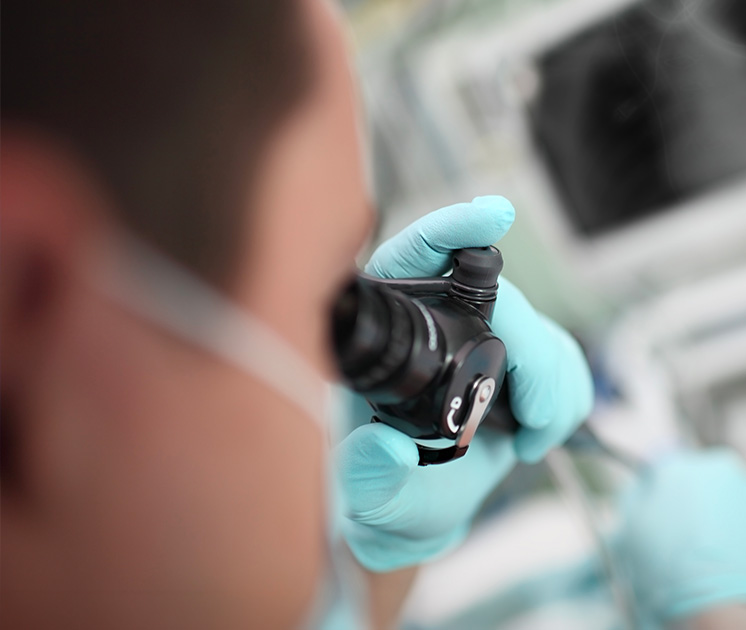
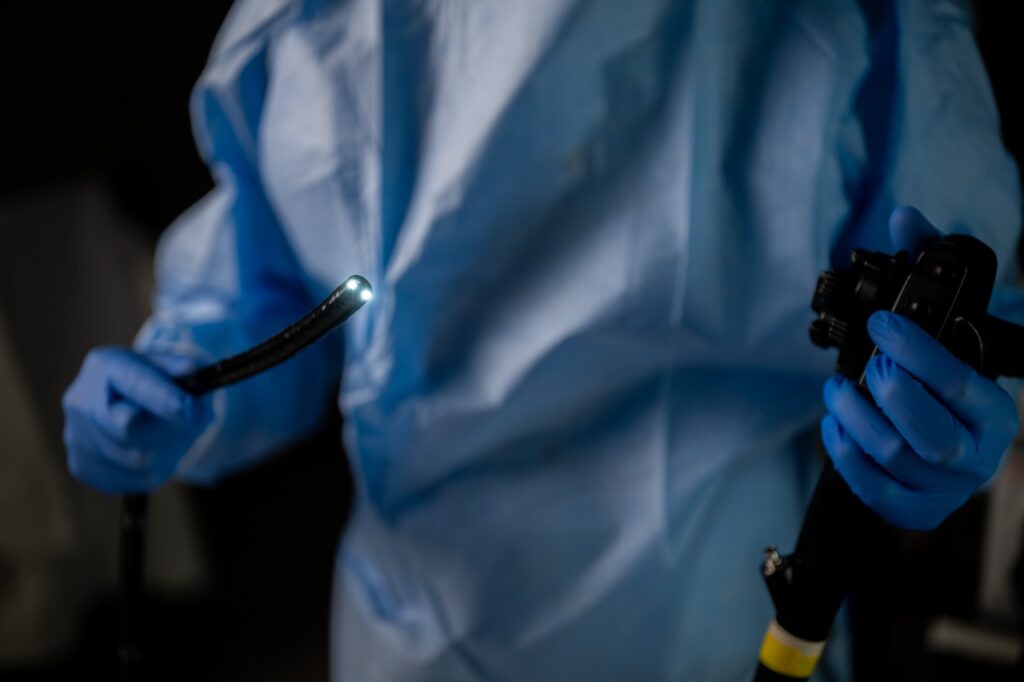
Endoscopy refers to a group of procedures used to diagnose digestive conditions that cannot be identified by symptoms or blood tests alone. During an endoscopy, a thin, flexible tube with a light and a camera is guided through the digestive tract, either through your mouth or rectum.
Endoscopy allows your doctor to look directly inside your digestive tract to diagnose problems, and can also be used to treat certain conditions, such as removing polyps or stopping bleeding. Common endoscopic procedures include colonoscopy (examining the large intestine and the very end of the small intestine) and upper endoscopy (examining the esophagus, stomach, and upper small intestine). Charlotte Gastro performs GI endoscopy procedures across multiple Charlotte-area locations.
Charlotte Gastro is the area's leading expert in endoscopic procedures. Our team provides clear guidance on how to prepare for your procedure, what to expect, and the best next steps based on your results.
CONDITIONS
Conditions We Treat
Colon Cancer Screening & Prevention
Endoscopy allows doctors to screen for and prevent colon cancer by identifying and removing precancerous polyps before they have the chance to develop.
Inflammatory Bowel Disease
Including Crohn’s disease and Ulcerative Colitis, endoscopy allows direct visualization of inflammation to confirm diagnosis and guide treatment planning.
Celiac disease
Endoscopy with biopsy is a key diagnostic tool for celiac disease, allowing doctors to examine the small intestine lining for damage caused by gluten.
Barrett's esophagus
A condition where abnormal tissue replaces the esophageal lining. Endoscopy is essential for monitoring and managing Barrett’s and assessing its risk of progression to cancer.
GI Cancers
Endoscopy can detect esophageal, stomach, and colorectal cancers at early stages when treatment is most effective, and can take biopsies for further testing.
Gastrointestinal bleeding
Endoscopy can identify the source of GI bleeding and, in many cases, treat it directly during the same procedure without the need for surgery.
Intestinal Blockages
Strictures or narrowings that obstruct the digestive tract can be identified and, in some cases, treated directly through endoscopic procedures.

Risk Factors
- Family history of colon cancer, esophageal cancer, or inflammatory bowel disease
- Personal history of polyps or GI conditions
- Chronic GERD or acid reflux
- Age 45 or older (routine colon cancer screening)
- Persistent GI symptoms with no clear diagnosis

Symptoms
- Persistent abdominal pain
- Unexplained weight loss
- Difficulty swallowing
- Chronic heartburn or acid reflux
- Rectal bleeding or blood in stool (also a common sign of hemorrhoids)
- Chronic or unexplained changes in bowel habits
THE PROCEDURE
What to Expect
Before the Procedure
What you can expect from your endoscopy will vary depending on the specific procedure. In all cases, your doctor will provide clear preparation instructions, including any diet restrictions and specific bowel prep required.
1.
Follow all preparation instructions provided by your doctor, including diet restrictions and any specific bowel prep.
2.
You will be sedated during the procedure — arrange for an adult driver to take you home afterward.
3.
Your doctor will let you know in advance what medications are safe to take and which should be paused before the procedure.
During and After the Procedure
Sedation will be administered to keep you comfortable and safe throughout the procedure. Your doctor will guide the endoscope through the digestive tract, capturing images and performing any necessary interventions. Procedures are performed in our outpatient offices rather than a hospital, unless your individual medical needs require hospital-based care. After the procedure, you’ll receive clear, direct guidance on recovery and any follow-up steps based on your results.
Pre-Procedure Requirements
- Follow all preparation and diet instructions from your doctor
- Complete any required bowel prep as directed
- Pause medications as advised by your doctor
- Arrange an adult driver for after the procedure
What To Bring
- Insurance card
- Photo ID
- List of current medications
- Completed patient intake forms
- Arranged adult driver for after the procedure
TRUST YOUR GUT TO THE EXPERTS
Expert Care by Charlotte's Best Gastroenterologists
No matter which type of endoscopy you need, you can trust that your comfort and safety will always come first. With 28+ years of experience, our team of gastrointestinal endoscopy specialists is committed to finding the answers you need so you can take the next steps toward better health and an improved quality of life.

Location and Scheduling
Endoscopy procedures are available at our Charlotte (Rea Farms, Randolph Road, and Mint Hill), and Mooresville offices, as well as at the Endoscopy Center of Lake Norman (ECLN) in Huntersville. To make an appointment, call (704) 377-4009.
Questions about insurance? Our team can walk you through what’s covered, what isn’t, and what you can expect to pay out of pocket.
FAQs
In our offices, most endoscopy procedures are performed with sedation to keep you comfortable and safe. This involves monitored anesthesia care (MAC), where an anesthesia professional administers medications that help you relax or sleep lightly while continuously monitoring your breathing, heart rate, and overall well-being. Patients typically have no memory of the procedure and wake up comfortably afterward.
An endoscopy is used to look for conditions such as inflammatory bowel disease (Ulcerative Colitis or Crohn’s disease), celiac disease, Barrett’s esophagus, gastrointestinal cancers, sources of bleeding, and other digestive disorders.
Generally, insurance covers the cost of endoscopies, especially when they are performed for preventative screening or as part of a necessary diagnostic evaluation. Our team will verify your coverage in advance so you have a clear understanding of what’s included and what, if anything, you can expect to pay out of pocket.